
Checking Criminal History in Pulaski County
No one search holds every Pulaski County criminal record. Start with the office that made the record. A known court case belongs with the Pulaski Circuit Court Clerk. A current jail stay belongs with the detention center. An incident report stays with the sheriff, city police, or Kentucky State Police unit that wrote it. State reports add a wider Kentucky view, while federal courts and prisons use separate tools.
Gather the full legal name, date of birth, spelling variants, and any case, report, or booking number before searching. A common name can match more than one person. Compare the county, court level, charge date, and final disposition before treating a result as the right record.
- For a known Pulaski County case, use free statewide guest access or call the clerk with the case number.
- For current custody, check the official jail roster, then confirm a release or transfer by phone.
- For the event report, identify the arresting agency and ask its records custodian for the releasable file.
- Use AOC, KSP, KOOL, or the federal system only when that wider record layer answers the question.
- Ask the originating office for a certified copy or correction when a result will be relied on.
Two Pulaski Criminal Record Counters
Downtown Somerset has two public buildings that are easy to confuse. Criminal case files begin at the Pulaski County Court of Justice, 50 Public Square. County government and the sheriff are at the Pulaski County Courthouse, 100 N. Main Street. The County Clerk does not keep the District and Circuit criminal case files.
The Kentucky Court of Justice county page shows the court building and lists the local clerk channel.
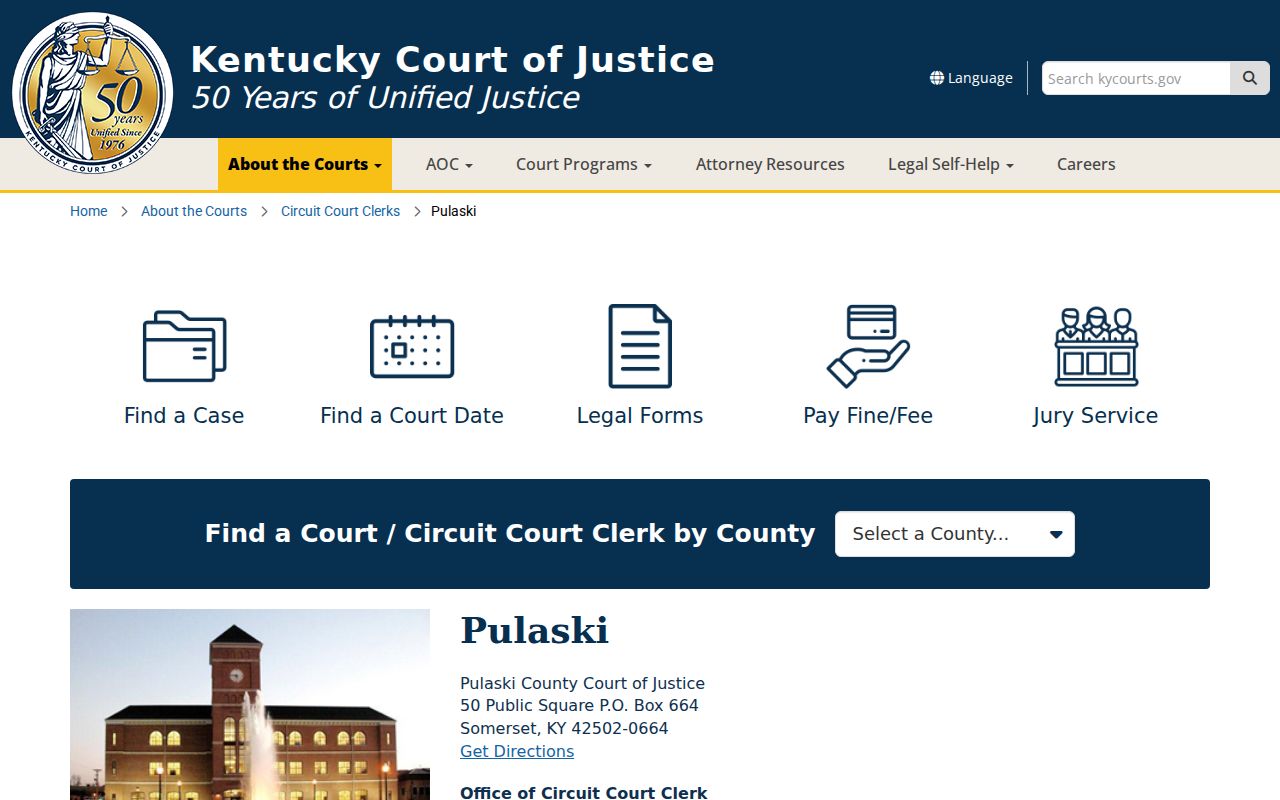
Its clock-tower facade and fountain mark the right destination for court records, while the sheriff counter remains at North Main.
| Circuit Court Clerk | 50 Public Square, Somerset, KY 42502; 606-677-4029; weekdays, 8:00 a.m. to 4:00 p.m. |
|---|---|
| Pulaski County Sheriff | 100 N. Main St., basement, Somerset, KY 42501; 606-678-5145; call to identify the records custodian. |
Kentucky Official Background Checks
Kentucky offers two distinct official paths. AOC FastCheck and One-Time Request produce statewide court-record reports from clerk-entered data in all counties. FastCheck uses a registered account and keeps results online for a limited period. One-Time Request needs no account and returns the report by mail. Neither is a fingerprint-linked KSP rap sheet.
The AOC background-check page explains the two court-report routes.
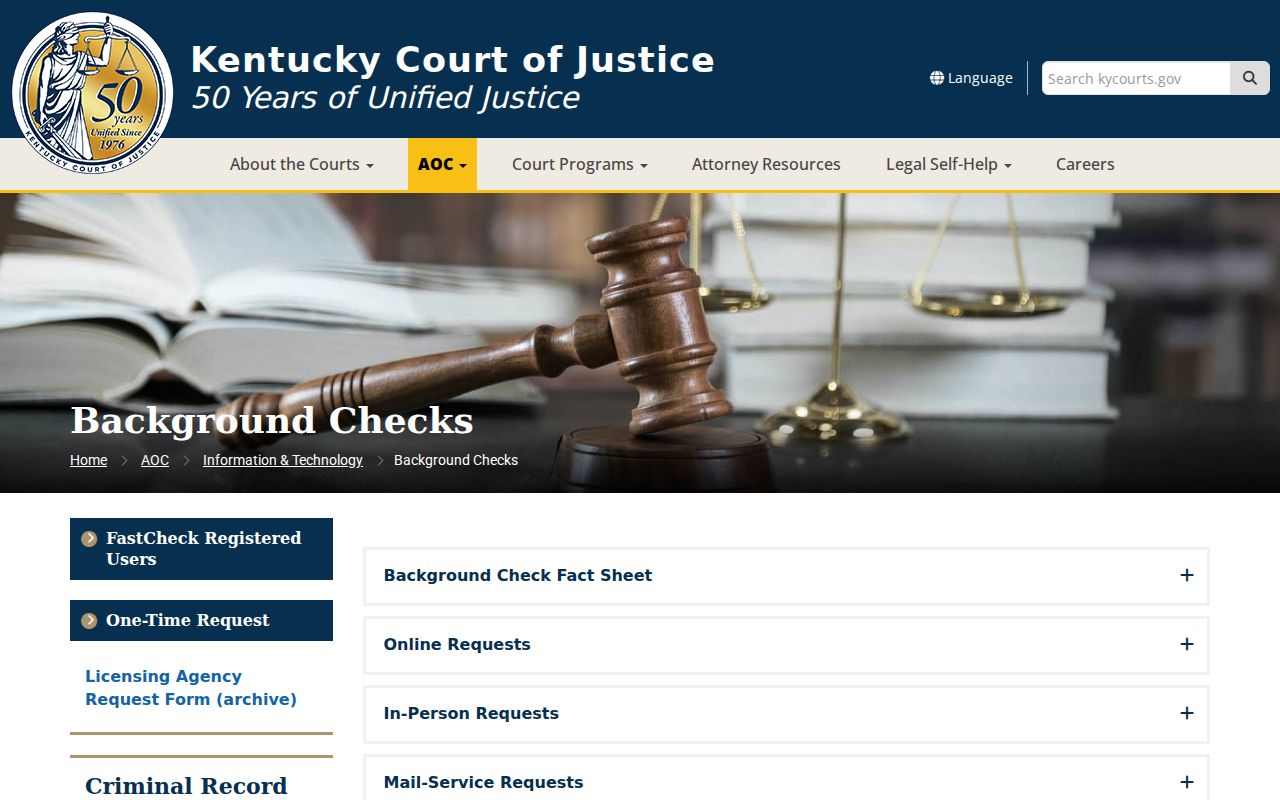
The choice turns on delivery and account needs, not on different Pulaski County courts being searched.
KSP background-check instructions separately permit an adult name-based conviction-record request with the subject's permission for $20 by mail or walk-in. KSP also handles fingerprint-supported checks under the rules for the requested product. For self-review, the FBI Identity History Summary is fingerprint based and carries an $18 FBI fee. A vendor may charge more.
| AOC order field | Type | Use |
|---|---|---|
| Subject name | Text | First and last are required; middle and aliases help narrow the match. |
| Date of birth | Date | Required name-match identifier. |
| Requestor or account | Account or text | FastCheck requires verified registration. |
| Purpose or product | Selection | Choose the official report that fits the request. |
| Payment and billing | Payment | Required for an online order; verify the current price live. |
The Pulaski Criminal Record Ladder
Match the source to the event. The jail roster answers who is currently held. The clerk answers what was filed and how each charge ended. AOC compiles Kentucky court information. KSP maintains the centralized criminal-history system. KOOL covers many sentenced or supervised people. These layers can overlap without being interchangeable.
Record flow: Arresting agency → Pulaski jail booking → Pulaski District or Circuit case → clerk-entered CourtNet outcome → KSP disposition matching. KOOL becomes the better public locator when a qualifying prison or supervision record exists.
Use less search data when a portal permits it, then narrow carefully. A blank result may reflect a release, reporting delay, archive, confidentiality rule, expungement, or a record outside the system.
A Pulaski County warrant requires its own fallback chain because no official public active-warrant database was verified. Call the sheriff, ask the clerk about a known case, and contact the court for a missed date. The jail roster proves custody only after a warrant has been served. KOOL is not a warrant-clearance tool. If the question concerns the searcher's own liberty, legal advice should come before an unplanned visit. Any recall must be confirmed in both the court record and the law-enforcement system.
Criminal Record Types
A Pulaski County criminal record is a set of source records, not one document. The officer creates the incident or arrest report. Jail staff create intake and custody data. Prosecutors shape the filed charge. The clerk keeps the docket, orders, judgment, and sentence. KSP receives fingerprint-linked arrest and disposition data, while DOC maintains corrections and supervision information.
- Incident and arrest report: the agency account of the event and arrest basis.
- Booking record: the jail's intake authority, charge, hold, bond, and custody data.
- Court case file: filings, hearings, pleas, orders, disposition, sentence, and costs.
- Repository history: fingerprint-linked arrest cycles and reported outcomes held by KSP.
- Warrant or supervision record: court process, DOC status, or a registry duty under its own access rules.
The source also sets the correction path. An error in a booking entry goes to the jail. A wrong docket result goes to the clerk. A KSP or AOC report issue should be raised with the office that produced that report.
Pulaski Criminal Booking at Hail Knob
The detention center does more than post a name. Staff first confirm the delivering officer and legal authority. Pulaski policy recognizes a signed warrant, probable-cause affidavit, probation or parole detainer, judge's order, citation, U.S. Marshals writ or warrant, or commitment order. Intake then covers identity, photographs, fingerprints, property, screening, and housing classification.
This flow matters because the booking charge is an early claim. A prosecutor may amend or decline it. A grand jury may indict, change the charge, or return no true bill. The final court disposition can differ from the jail entry. The dedicated Pulaski County Arrest Lookup explains how to trace the arresting agency and current custody without treating an allegation as guilt.
Six local police agencies, the sheriff, KSP, and Probation and Parole can deliver people to the same county jail. That shared intake point does not merge the agencies' incident reports.
Inside a Pulaski County Criminal Record
Read each Pulaski County record in context. An arrest entry can show intake time, agency, arrest authority, alleged charges, bond, holds, and release. A Circuit criminal case number often follows a year, CR type, and sequence pattern. Court data may add charge-level KRS codes, events, hearings, disposition, judgment, sentence, and costs.
| Name & Identifiers | Legal name, aliases, birth data, and authorized physical or fingerprint identifiers. |
|---|---|
| Arrest / Booking Data | Agency, authority, date, booking number, hold, bond, custody, and release. |
| Charges & Statutes | Charge text, KRS citation, class, and whether the entry is at arrest or court stage. |
| Disposition | Pending, dismissed, acquitted, pleaded, convicted, amended, no true bill, or another charge outcome. |
| Sentence | Confinement, probation, fine, restitution, or other terms ordered by the court. |
| Custody / Supervision Status | Jail or prison location, probation or parole district, dates, and release status when public. |
Pulaski Criminal Supervision in District 20
Current jail custody and state supervision answer different questions. The county roster covers people held at Hail Knob Road. KOOL can show prison, probation, parole, diversion, release, or abscond information for qualifying people under Kentucky DOC. District 20 serves Somerset and Pulaski County from 125 Union Street, with a public phone at 606-677-4024.
The official District 20 page identifies the local supervision office.
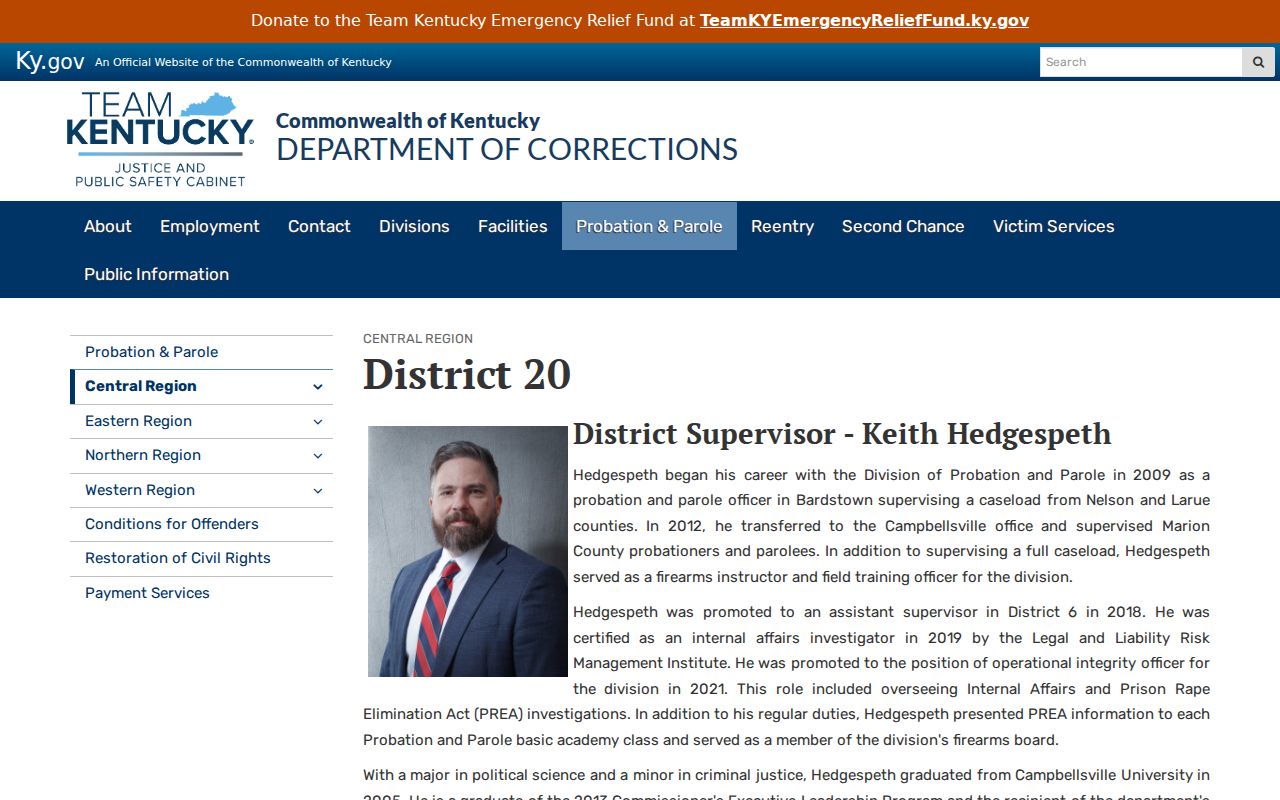
That office is the right local channel for public supervision information that does not appear in the court file or jail roster.
KOOL may list conviction county, indictment number, KRS code, felony class, sentence, supervision dates, location, and parole details when populated. DOC warns that newer offender data may not yet be final. Confirm a sentence in the clerk's judgment when precision matters.
Public Access Laws in Kentucky
The Kentucky Open Records Act governs many agency records, but it does not make every criminal-history field public. Ask the clerk for judicial files, the arresting agency for its report, and the jail for booking material. A custodian may redact protected facts or withhold exempt material, but a denial should state the legal basis.
Key Statutes:
KRS 61.870 through 61.884 establishes agency inspection rights, exemptions, and response rules.
KRS 17.150 separates centralized criminal-history information from source records held by the originating agency.
502 KAR 30:060 governs dissemination categories for Kentucky criminal-history information.
KRS Chapter 431 contains the main expungement routes for qualifying Kentucky records.
Requesting Pulaski Criminal Records
A focused request works better than a demand for everything. Name the agency, date range, event or location, and known report, booking, or case number. State whether inspection or copies are wanted and whether an electronic form will do. Ask for redacted release when only part of a file is protected.
The official Pulaski County directory identifies the county offices and law-enforcement contacts.

Use those contacts to find the custodian instead of sending one broad request to county government.
The sheriff publishes no dedicated records email, online portal, copy fee, or named records manager. Call 606-678-5145 first. Jail requests follow a separate rule: mail them to Capt. Kevin Russell at the Pulaski County Detention Center, 300 Hail Knob Road, Somerset, KY 42503. Under KRS 61.880, an agency generally has five business days to decide and notify the requester.
The optional OAG-1 form helps route a request. It asks for the public agency, requester contact, Kentucky-resident basis, a description of the records, the choice of inspection or copies, format, signature, and date. For an arrest, request the final releasable incident report from the arresting agency and booking information from the jail as separate records. A denial should cite the exemption and explain why it applies. The Attorney General's review process is the main administrative route for an open-records dispute.
Sealed, Expunged, and Restricted Records
Juvenile matters, protected victim or minor data, sealed material, and expunged cases are not ordinary public records. Social Security numbers, account data, and other sensitive identifiers are redacted. Active investigative facts may also be withheld under a stated exemption.
Kentucky expungement begins with a $40 AOC certification, followed by the correct form filed with the Pulaski Circuit Court Clerk where the charge arose. The official AOC expungement instructions show the certification and filing sequence.
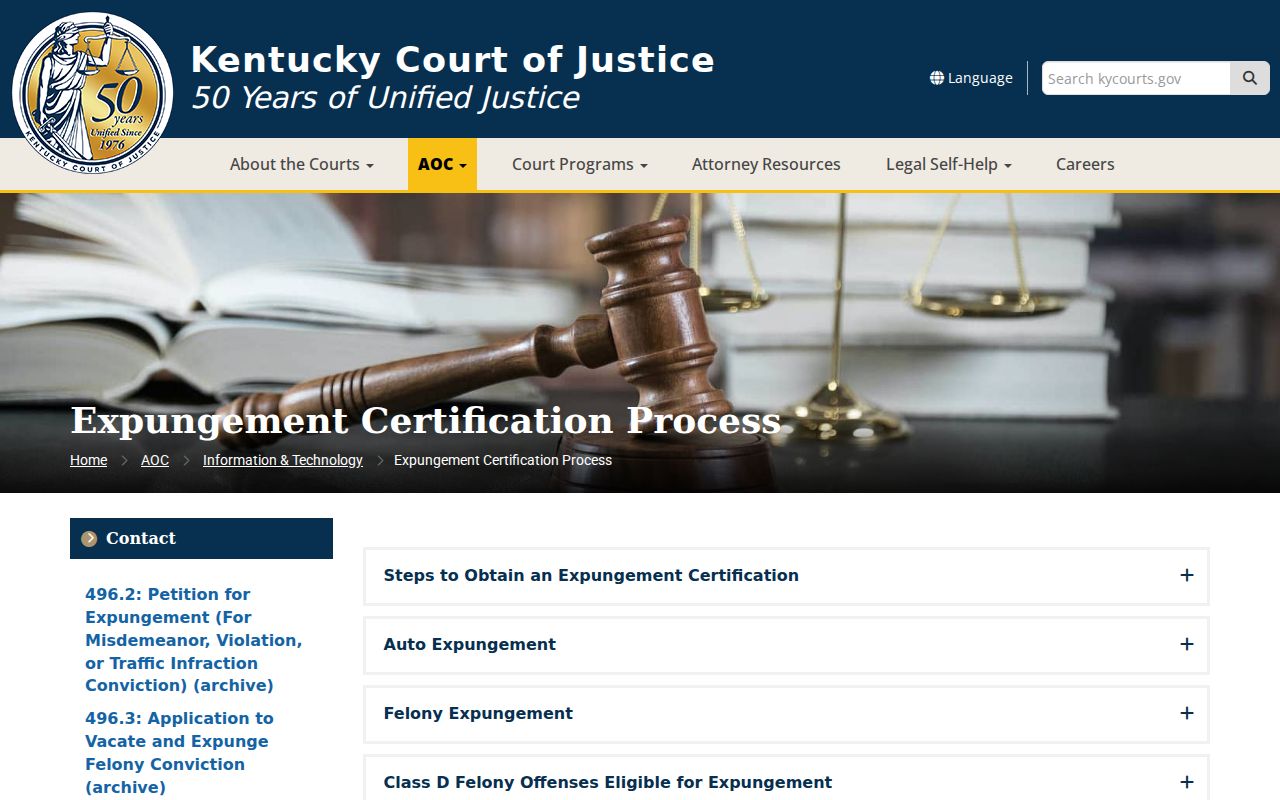
The certification is an assessment packet, not the judge's ruling on whether relief will be granted.
Clearing a Pulaski Criminal Record
The filing route depends on the outcome and offense. AOC-496.3 covers eligible felony applications under KRS 431.073. AOC-496.2 covers qualifying misdemeanor, violation, or traffic convictions. KRS 431.076 addresses acquittals, dismissals, and failure to indict. A felony charge sent to a grand jury but not indicted may use the stated petition route after the required wait.
The Kentucky legal-form catalog supplies the current adult criminal expungement forms.
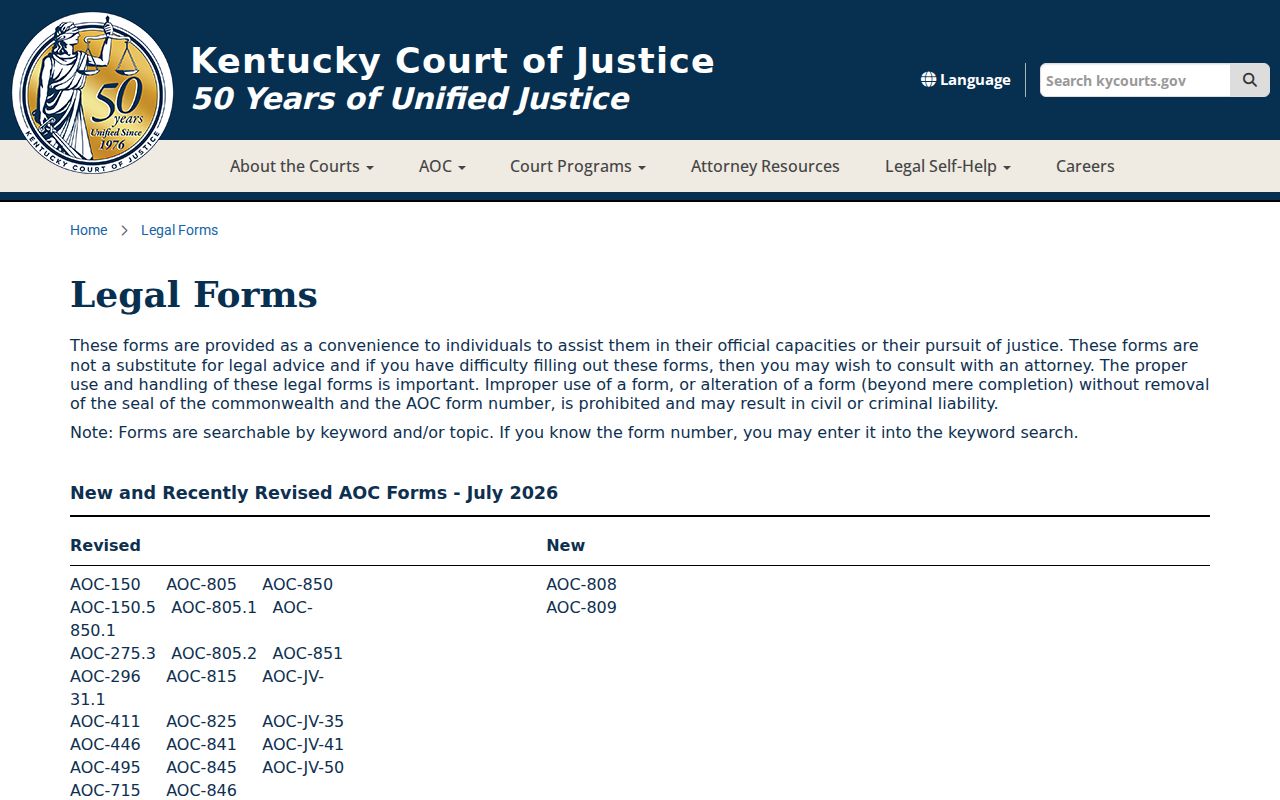
Checking the current form matters because the case number, court, charges, completion facts, signature, and certification must fit the requested relief.
Most eligible Class D felony convictions require at least five years after sentence completion or successful probation or parole completion, whichever is later. The filing charge is $50, with another $250 if relief is granted. A prosecutor has 60 days to object. Only the judge decides eligibility and issues the order.
Federal Records Beyond Pulaski County
Pulaski County lies in the Eastern District of Kentucky, but federal cases do not appear in the Pulaski clerk's local file. PACER handles federal dockets and documents. The Bureau of Prisons locator handles federal custody and release data. Neither tool replaces a Kentucky court search, county jail check, or KSP record.
The official PACER service provides federal case access.
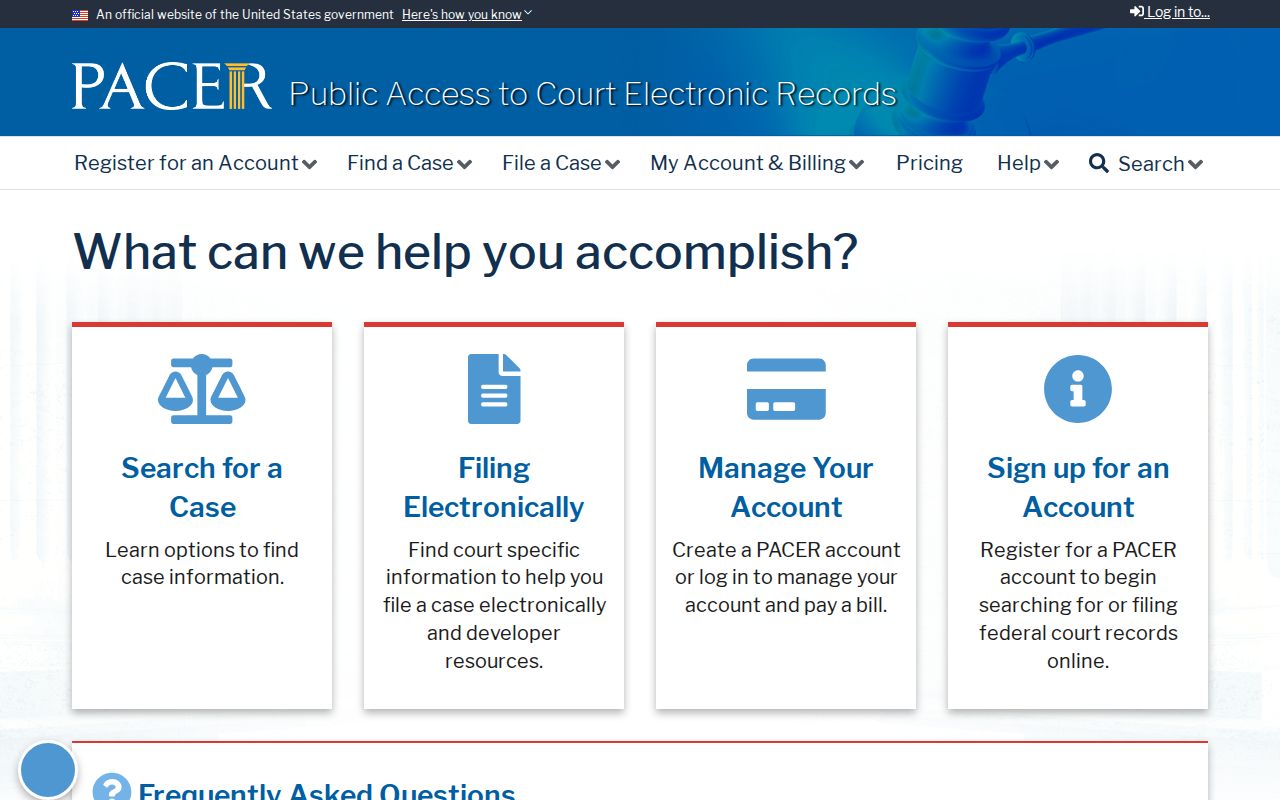
Its account and document-fee rules apply to the federal court layer, while sealed filings stay unavailable.
The Federal Bureau of Prisons locator searches federal custody by name or register number.
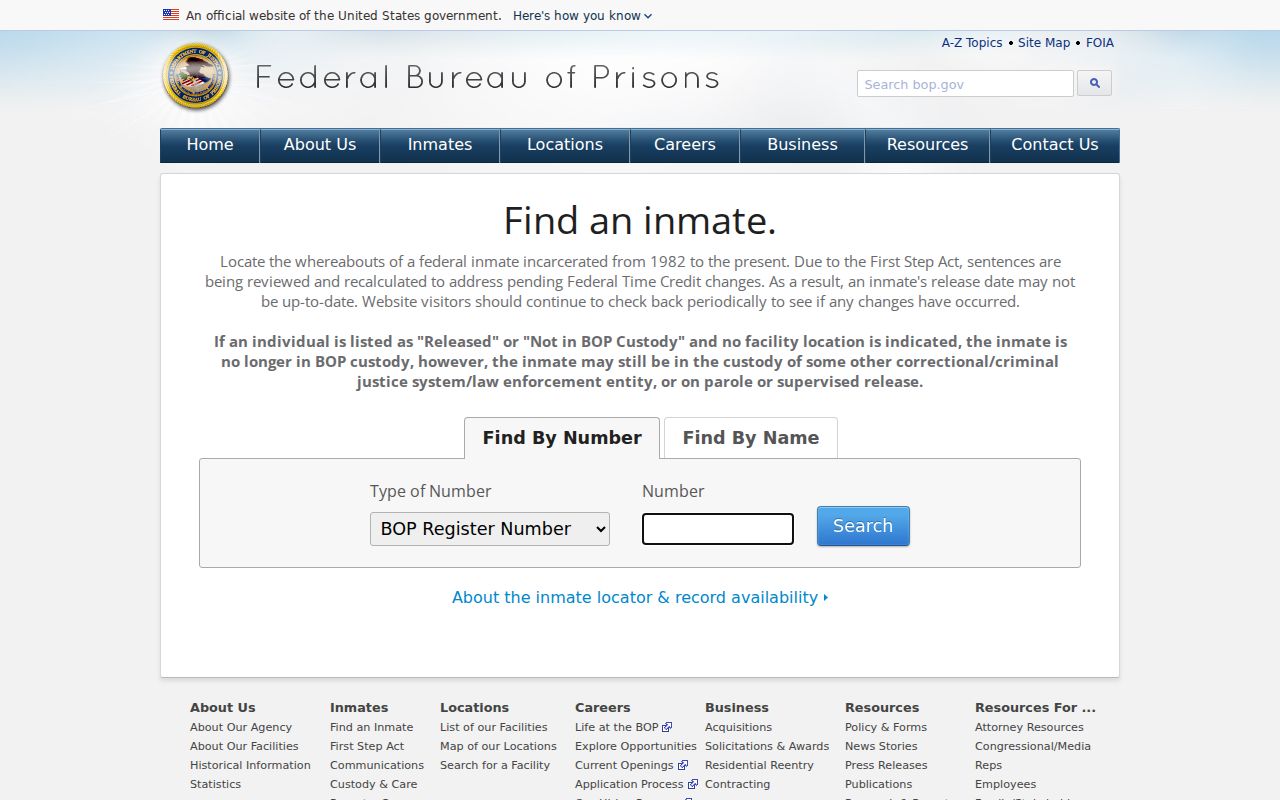
A federal locator result says nothing about current custody in the Pulaski County Detention Center or a Kentucky DOC placement.
PACER generally charges by the page, caps many single documents, and waives fees when the quarterly total stays within its current threshold. Sealed documents are not public. The FBI Identity History Summary is another distinct federal layer: it is a subject-only, fingerprint-based record review rather than a docket search. Keeping these federal tools separate prevents a county jail absence from being mistaken for no custody and prevents a local clerk search from being mistaken for nationwide court coverage.
Pulaski County Criminal Records by City
Somerset, Ferguson, and Burnside police create their own incident records, but all three route bookings to the county detention center and filed cases to Pulaski District or Circuit Court. The city pages keep the agency contact and request route close to the local facts.
Somerset Criminal Records
Somerset police reports begin with the Administrative Division; court cases go to the Pulaski clerk.
Ferguson Criminal Records
Ferguson police and city contacts supply local reports; the county jail and courts hold later stages.
Burnside Criminal Records
Burnside Police accepts open-record requests, while county offices hold bookings and court files.
No Pulaski Criminal Record Result
No result is not a clearance letter. A person may have been released from the jail roster, a case may sit in an archive, a disposition may not yet match to KSP data, or a record may be confidential or expunged. Out-of-state and federal matters also fall outside a Pulaski-only check.
For an older case, ask J.S. Flynn's clerk office for the case number and file-locator number before contacting the State Records Center. That center cannot run a name search without locators. For a current case, compare charge-level outcomes instead of relying on a broad case label.
A mismatch can also come from the stage of the case. The arresting officer's charge, a prosecutor's filed charge, a grand-jury indictment, and the final conviction are separate events. Pulaski CourtNet analytics even use outcomes such as no action, no true bill, dismissal after presentation, and amended charges. Check the judgment or order that resolves the precise charge. If an official report remains wrong, contact the AOC Records Unit and the agency that supplied the disputed entry, and keep certified copies of any corrective or expungement order.
Note: Verify the final judgment with the Pulaski clerk and any booking detail with the agency that created it.